

Skin Care Tips


Introducing Allies of Skin
Allies of Skin is the newest brand at Harben House. Learn more about the brand, its founder, and some of their products in this post.
Learn more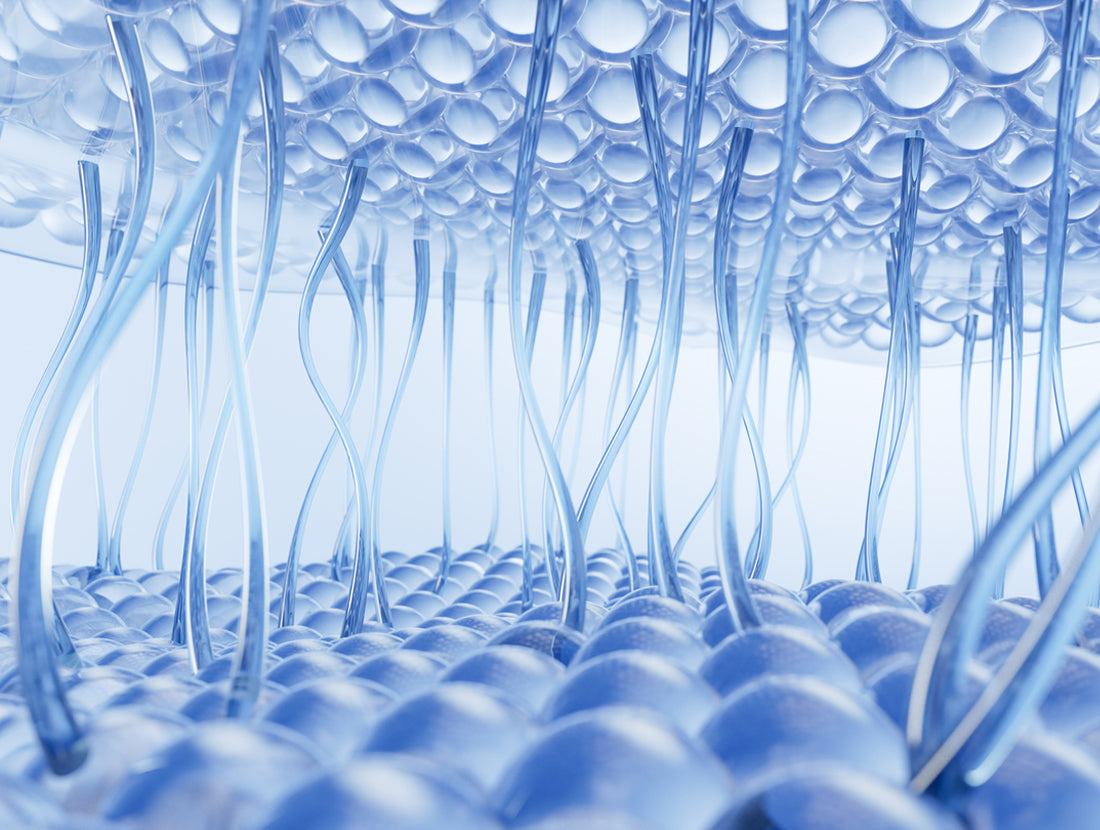
What is Collagen, and why is it Important for Skin? - Skincare Basics
From protein supplements to vitamins, collagen is everywhere in the health and wellness space, and skincare is no exception. It’s likely you have at least a basic understanding of how collagen is part of your skincare journey, but if you’ve ever wanted to know more, we’re here to help. What is Collagen? Image Credit: ttsz / Getty images Collagen is the most common protein found in the human body, comprising almost a third of the proteins spread throughout our tissue. As such it’s the most important building block for muscles, skin, and more. And, that is collagen’s primary function in the body: forming structure and providing strength to the places we need it, like protective casings around organs. Image credit: Anna Bergbauer / Getty Images There are five main types of collagen in your body, as follows: Type 1: Comprising the vast majority of collagen in the body, this dense type forms structures in skin, connective tissue, and even bones. Type 2: Elastic cartilage, like found inside bone joints Type 3: Found in tissues, mostly in hollow organs like the uterus Type 4: A non-fiber type of collagen primarily found in the basement membrane, a separating layer in tissue throughout the body. Type 5: Found in the Dermal-Epidermal junction of the skin, and other places in the body including the eyes. Read more about collagen at The Cleveland Clinic What is Collagen’s role in the skin? Image credit: Mosterpiece / Getty Images Collagen is one of the primary building blocks of your skin. When young and healthy, the collagen in our skin is twisted into long, stretchy fibers that span across the dermis and help skin stretch and bounce back to maintain its shape. It also provides the strength in adhesion between the dermis and epidermis, in the Dermal-Epidermal Junction. Together, with another protein, elastin, it forms a lattice-like structure in the dermis that supports your skin’s structure, making it strong and flexible. With age, the collagen fibers in skin weaken and eventually can break. It’s a natural process that weakens skin, leaving it more prone to injury and less able to support itself, leading to signs of aging like sagging skin and crepiness. Image Credit: ttsz / Getty Images Our bodies naturally produce less collagen as we age, so our ability to replace broken or weakened collagen in the skin becomes more difficult, especially after age 60. Plus, common lifestyle factors like poor nutrition and damage from sun exposure can further weaken the collagen we have remaining in skin. How to Produce and Protect Collagen in the Skin Fortunately there are some things you can do to help protect your skin’s collagen supply and boost its ability to create new collagen and strengthen your skin. Wear sunscreen - UV rays are one of the biggest contributors to skin damage and collagen breakdown over time, so lather up the SPF whenever you’re outside. Even if it’s not that sunny or cold, UV rays are still present. Product recommendations: EltaMD UV Clear, Alastin Hydratint Pro Mineral Sunscreen, Revision Skincare Intellishade Original, Sente Even Tone Sunscreen. Make healthy lifestyle changes - as we’ve discussed before in other blogs about anti-aging strategies, getting on a consistent sleep schedule makes a big difference in your skin’s health. Swapping out processed, sugary foods for ones rich in collagen like nuts, dairy, and fish gives your body better proteins to choose from. Quitting smoking and reducing alcohol consumption will also help your body function its best and not waste energy removing toxins. Eat & use antioxidant and Vitamin C rich products - Free radicals that bind to our skin from air pollution are another big stressor on your skin, and vitamin C is a key ingredient your body needs to build new collagen proteins. You can help your body purge free radicals & produce more collagen by eating more anti-oxidant and vitamin C rich foods like blueberries, strawberries, broccoli, and spinach. For an added boost, add an antioxidant-rich Vitamin C serum and give your skin all the support it needs. Product recommendations: Alastin C-Radical Defense Antioxidant Serum, Revision Skincare C+ Correcting Complex, Flawless Canvas Free Radical Scavenger, Obagi Professional-C Serum 20%. Stay hydrated - Water is essential for proper functioning in basically every system in the body, so make sure you’re drinking enough daily. Dehydrated skin is stressed skin, and stress kills collagen, so drink up. As an added boost to your skin’s hydration levels, use a hyaluronic acid serum to boost your skin’s ability to retain moisture. Product recommendations: SkinMedica HA⁵® Hydra Collagen Replenish + Restore Hydrator, Ourself HA Replenishing Serum, Alastin HA Immerse, Sente Hydrate+ Serum, Revision Skincare Hydrating Serum Introduce Peptides to your regimen - In order to build new proteins like collagen, your body needs amino acids, which are protein building blocks. Peptides are one such amino acid that can boost your body’s protein building process, so using products with peptides may help restore your skin’s elasticity. Product recommendations: Revision Skincare Revox 7, Neocutis Bio Serum Firm, Ourself Ourself Daily Renewal Cream, AnteAGE MD Serum
Learn more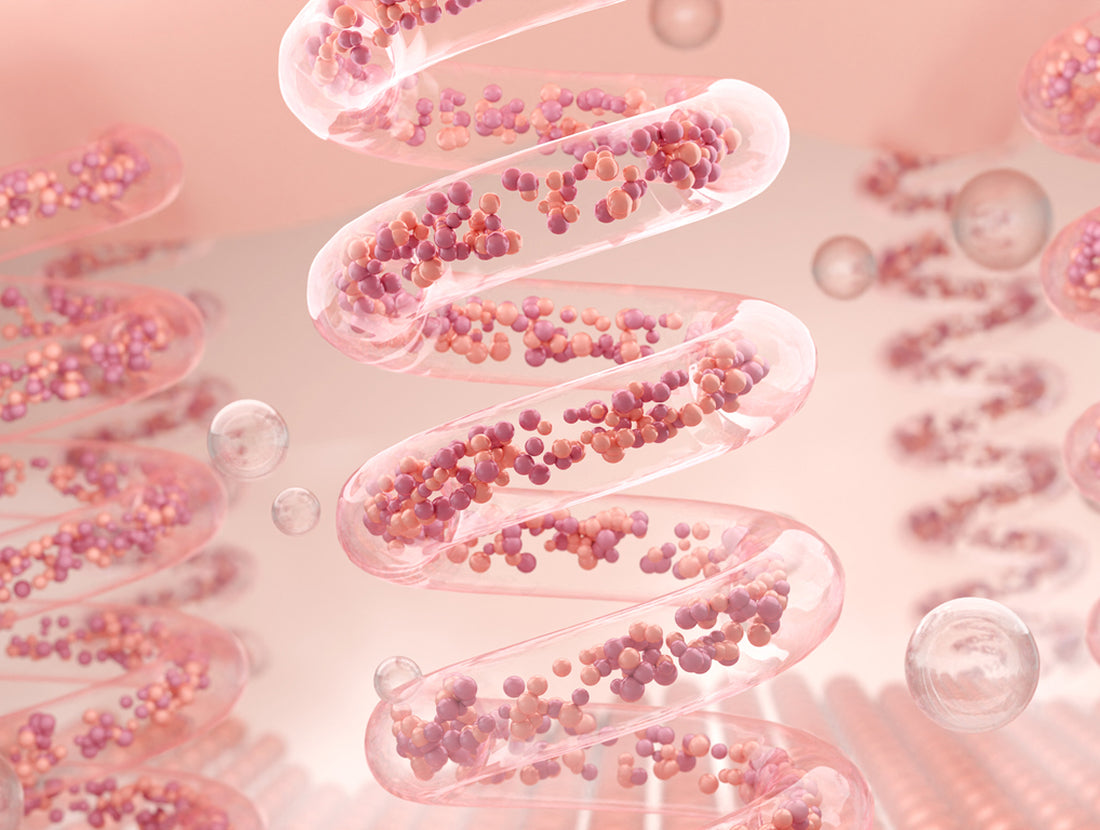
What is Elastin, and What Does it do for Skin? - Skincare Basics
*Updated Oct 2026 If you’re at all familiar with skincare, you’ve definitely heard the word elastin thrown around as something to do with skin and aging, but a lot of people don’t know exactly what it is. This article, as part of our Skincare Basics series, is here to explain what elastin is, the role it plays in skin health, and how with the right skincare, you can replenish your skin’s supply of it. What is elastin? Image credit: Howard Vindin / WikiMedia Elastin is a naturally occurring, stretchable protein found throughout the body anywhere stretchiness is needed. The elasticity of this protein is what allows parts of the body to expand and contract without breaking. We most often hear about it in our skin (more on that soon), but it’s also a key part of tissue throughout the body, including muscles, ligaments, the bladder, and lungs. Read more about elastin at The Cleveland Clinic. What does elastin do for your skin? Image Credit: Mosterpiece / Getty Images Elastin is one of the primary building blocks of your skin. When young and healthy, the elastin in our skin is twisted into long, stretchy fibers that span across the dermis and help skin stretch and bounce back to maintain its shape. Together, with another protein, collagen, it forms a lattice-like structure in the dermis that supports your skin’s structure, making it strong and flexible. As we age, the elastin fibers throughout our body slowly degrade and eventually can break, leading to signs of aging like sagging skin and wrinkles. These are a natural result of our skin’s elastin support system breaking down over time and reducing skin’s ability to stretch and bounce back. One way to visualize the loss of elastin in your skin is to pinch an area of loose skin like on your elbow or the back of your hand. On a younger person like a child or someone in their 20s, the skin instantly bounces back, but with increased age, it will react more slowly. How can you maintain elastin in the skin? Image Credit: ttsz / Getty Images The bad news about elastin in the skin is that we produce the bulk of our elastin early in life, with production peaking at about 3 months of age, and about half of it gone by age 70. But, in good news, your body continues producing elastin throughout your life, albeit at a slower pace year after year. And, elastin is one of the most durable proteins in the human body, with a lifespan up 70 years, so the elastin you have can stay healthy a long time if you care for it. Here are some things you can do to protect and rejuvenate the elastin in your skin: Wear sunscreen - the sun’s powerful UV rays are one of the biggest contributors to elastin breakdown over time, so lather up the SPF whenever you’re outside. Product recommendations: EltaMD UV Clear, Alastin Hydratint Pro Mineral Sunscreen, Revision Skincare Intellishade Original, Sente Even Tone Sunscreen. Make healthy lifestyle changes - as we’ve discussed before in other blogs about anti-aging strategies, getting on a consistent sleep schedule makes a big difference in your skin’s health. Add to that other healthy changes like eating more nutrient dense foods, quitting smoking, limiting alcohol comsumption, and staying active, will reduce stress, improve blood flow, and help your skin be its best. Eat & use antioxidant rich products - Free radicals that bind to our skin from air pollution are another big stressor on your skin’s elastin supply. You can help purge your body of free radicals by eating more anti-oxidant rich foods like blueberries and spinach, and help your skin defend itself with antioxidant serums. Product recommendations: Alastin C-Radical Defense Antioxidant Serum, Revision Skincare C+ Correcting Complex, Flawless Canvas Free Radical Scavenger, Obagi Professional-C Serum 20%. Stay hydrated - Water is essential for proper functioning in basically every system in the body, so make sure you’re drinking enough daily. Dehydrated skin is stressed skin, and stress kills elastin, so drink up. As an added boost to your skin’s hydration levels, use a hyaluronic acid serum to boost your skin’s ability to retain moisture. Product recommendations: SkinMedica HA⁵® Hydra Collagen Replenish + Restore Hydrator, Ourself HA Replenishing Serum, Alastin HA Immerse, Sente Hydrate+ Serum, Revision Skincare Hydrating Serum Introduce Peptides to your regimen - In order to build new proteins like elastin, your body needs amino acids, which are protein building blocks. Peptides are one such amino acid that can boost your body’s protein building process, so using products with peptides may help restore your skin’s elasticity. Product recommendations: Revision Skincare Revox 7, Neocutis Bio Serum Firm, Ourself Ourself Daily Renewal Cream, AnteAGE MD Serum Summary Despite being a microscopic protein, elastin is incredibly important to our bodies, and even more critical to maintaining healthy, youthful-appearing skin. Putting some effort into caring for your skin’s elastin supply is one of the most impactful ways to improve its well-being and appearance.
Learn more
Skin Structure & Functions - Skincare Basics
*Updated Sept 2026 Most people have already heard that skin is the human body’s largest organ, but have you ever wondered about how skin works? The first in our new Skincare Basics series, this article is a deep dive into the structure and function of skin, to help you understand what your skin needs and how to care for it. How is skin structured? Photo credit: About Time / Getty Images Your skin is divided into three basic layers: the epidermis, dermis, and hypodermis. The epidermis is the outer layer including the skin you can see, with pores, hairs, etc. Its role is to protect your body, produce new skin cells, and contains melanin, which determines skin’s color. It also functions to keep skin hydrated by functioning as a natural barrier to water loss. Photo Credit: ttsz / Getty Images The epidermis itself is divided into 5 layers or strata: 1. Stratum Corneum - The visible layer of skin, made up of keratinocytes and fats that prevent water from entering or leaving the body. 2 & 3. Stratum Lucidum & Stratum Granulosum - 2 thin layers of skin cells beneath the surface 4. Stratum Spinosum - the fourth layer, comprised of skin cells and proteins that hold the cells together and enable flexibility in skin. 5. Stratum Basale - The deepest layer of the Epidermis, this is where keratinocytes produce keratin proteins that grow hair, nails, and new skin cells for the outer layers. This deepest layer is also where melanin, which determines skin’s color, is found. The dermis is the middle, thickest layer of your skin. It contains nerve endings, sweat and oil glands, and hair follicles. This layer is also where collagen, elastin, and fibroblasts form a supportive structure for your skin. It is divided into two layers of its own: Papillary Dermis - the thin top layer of the dermis, which contains blood vessels, touch receptors, collagen fibers, fat cells, and more. Reticular Dermis - Bound tightly below the papillary dermis, this deeper layer is thicker and filled with blood vessels, glands, hair follicles, etc. Importantly, this is where a network of elastin and collagen fibers form the skin’s structure, providing strength and elasticity. The deepest layer of your skin, the hypodermis, also called subcutaneous tissue produces fat cells that can insulate the body and store energy. Its other primary function is to connect skin to muscles and bones, and providing a buffer around organs, and preventing the skin from rubbing against everything beneath it. Read more about the epidermis, dermis, and hypodermis at The Cleveland Clinic. Function and Health Your skin has several important functions, including: Protecting the body from the sun, germs, and other environmental hazards Regulating body temperature through sweat and fat storage Providing sensory feedback from touch and pain Producing hair Providing cushioning and connective tissue for bones and muscles When we are born, our skin has everything it needs to be healthy and function properly (except for sunscreen, which everyone should wear every day). A youthful dermis is full of collagen, elastin, and hyaluronic acid that keep skin strong, flexible, and well hydrated, contributing to a smooth, plump, and healthy appearance. Photo Credit: Rujirat Boonyong / Getty Images As we age, our skin naturally loses its supply of hyaluronic acid, and our collagen and elastin fibers weaken and break. That weakens skin’s underlying structure, leading to the visible signs of aging like wrinkles, sagging skin, and crepiness. This is why so many anti-aging skincare products contain ingredients to resupply or restimulate natural production of elastin, collagen, and hyaluronic acid: if you can maintain or repair your skin’s natural structure, skin will remain healthy and more youthful for longer. For more information on elastin, collagen, hyaluronic acid, and the best products to help replenish your skin’s supply of them as you age, click the links below to be taken to the Skincare Basics article for each. Collagen Elastin Hyaluronic Acid
Learn more
5 Ways to Keep Skin Healthy in the Sun
Keep your skin safe and healthy in the summer heat! Protect your skin and read our tips more making sure you take care of your skin this summer.
Learn more
5 Ways to Reverse Signs of Aging Around the Eyes
The skin around your eyes is the thinnest, and most delicate skin on your body at only 1/9th the thickness or the rest of your skin. This makes it more prone to damage and signs of aging. In fact, the skin around your eyes is usually the first place people show signs of aging with puffy eyes, fine lines under eyes, wrinkles around eyes, and dark circles. There are special types of anti-aging serums and moisturizers as well as natural remedies to help fight these early signs and prevent more external damage. Use these five under eye wrinkle treatment tips to reverse the signs of aging causing wrinkles around eyes.
Learn more
Dry vs. Dehydrated Skin: The Difference & Treatments
Unlike having dry or oily skin that is determined almost entirely on genetics, dehydrated skin is a condition that is dependent on lifestyle choices, environment, and a bit on genetics, too, and can be alleviated or reversed. We'll walk you through how to determine if your skin is dehydrated, how to fix it, and which skincare products are best to help.
Learn more
What are the best Hyaluronic Acid products on the market?
What are the best Hyaluronic Acid products on the market? Purchasing an HA can be overwhelming, so we've done the leg work for you. Below is a review of the best of the best when it comes to Hyaluronic Acid. You're welcome.
Learn more
What is Hyaluronic Acid? - Skincare Basics
What is hyaluronic acid, and how can it help your skin? This article gives a thorough overview of this powerful, thirsty molecule, and explains how to incorporate it into your skincare routine.
Learn more